News
How to Choose Delicious Green-Skin Pomelo and Tips to Keep It Fresh Longer
How to choose sweet, juicy, high-quality green-skin pomelo
1. Observe the peel color
- Color is the first factor to check when selecting green-skin pomelo.
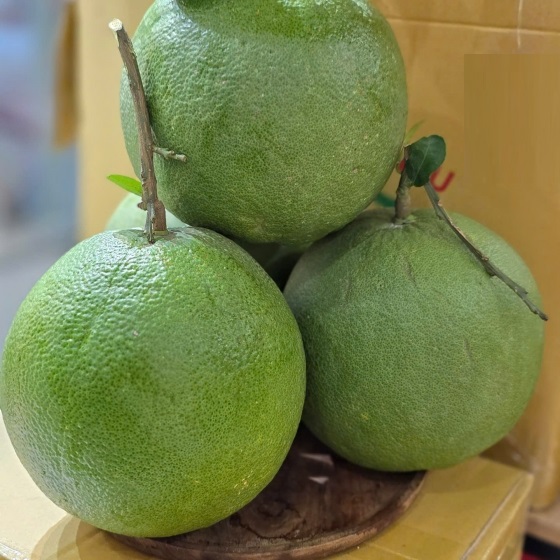
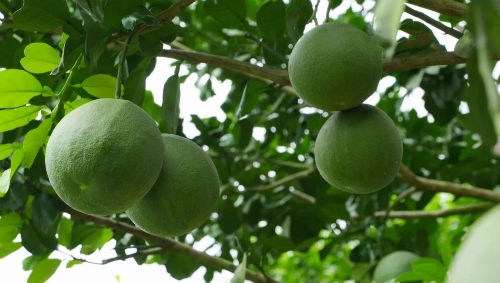
- Good green-skin pomelos usually have a natural deep green color with a slight yellow tint, without blotches or unusual yellow patches.
- Fruits with an even green color indicate healthy growth, good nutrition, and no pest damage.
- You should also choose fruits with smooth, glossy skin and no scratches — a sign that the pomelo is fresh and well preserved.
2. Choose the right size and shape
- Size and shape also greatly affect pomelo quality.
- Delicious green-skin pomelos usually have a diameter of about 10–11.8 cm, corresponding to a weight of 400–700 g per fruit.
- Avoid choosing fruits that are too large, as they are often less sweet and have a weaker flavor compared with medium-sized ones.
- In terms of shape, prioritize fruits that are round, even, and well-balanced, without deformities. Beautifully shaped pomelos are typically grown under good conditions and reach perfect ripeness.
3. Listen to the sound when tapping the fruit
- A very effective traditional tip for choosing good green-skin pomelo is to gently tap the peel:
- If you hear a clear, resonant sound, it indicates the pomelo is juicy with firm segments.
- A dull or muffled sound (“bùm bùm”) may mean the fruit is overripe or waterlogged.
4. Feel the weight when holding the fruit
- A good pomelo will feel heavy and firm in your hand.
- This shows the inside is juicy with plump segments.
- Conversely, a light pomelo is often dry and less tasty.
5. Observe the peel
- High-quality green-skin pomelos usually have:
- Smooth, tight skin without roughness
- A natural glossy oil layer on the surface
- The more visible the oil layer, the more fragrant, sweet, and high-quality the pomelo tends to be.
- Good pomelos have a deep green peel with a slight yellow tint and a natural oily shine.
6. Check the peel bumps (gai)
- The bumps on the peel also indicate the fruit’s maturity:
- Large, sparse bumps: the pomelo is mature, naturally ripe, sweet, and juicy
- Small, dense bumps: the fruit is young, less sweet, and the segments may be dry
7. Check the stem
- The stem is often overlooked but very important:
- A fresh, green, unwilted stem indicates the pomelo was recently harvested and is sweet.
- A brown, dry, or fallen stem suggests the fruit has been stored for a long time and is less fresh.
With these tips, you can confidently choose sweet, juicy, high-quality green-skin pomelos. By paying attention to color, size, weight, and stem, you’ll easily pick the best fruits for your family.