News
Opportunities For Vietnamese Pomelo To Reach The World
Pomelo is one of Vietnam’s 12 key agricultural products and is also an official export item to many countries worldwide. In recent years, cooperatives and agricultural enterprises have actively linked with farmers to produce under internationally recognized standards, meeting the strict requirements of importers. This approach not only ensures food safety and hygiene but also improves the quality and commercial value of Vietnamese pomelos.
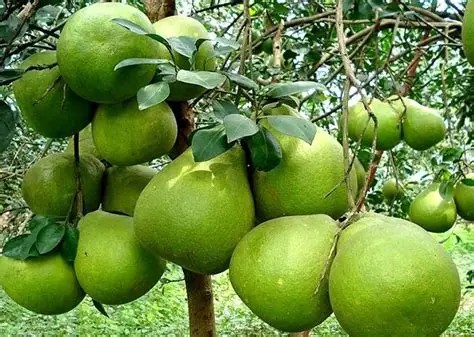
Australia officially opens its market to Vietnamese pomelo
Recently, Australia recognized the biosecurity safety of Vietnamese pomelo after a rigorous risk assessment and years of negotiations. This is an important step that opens a potential market for this specialty fruit.
Accordingly, the production, harvesting, post-harvest handling, and transportation processes for pomelos from commercial growing regions in Vietnam have been assessed by Australia and found to meet safety standards. Notably, Australian authorities identified 19 pest species that must be strictly controlled and require treatment of pomelos by irradiation or methyl bromide to satisfy import requirements.
Expanding markets, elevating the Vietnamese pomelo brand
To date, Vietnamese pomelo has been granted official export permission to 13 countries and territories. To seize opportunities from new markets such as Australia, the agricultural sector must continue improving product quality, standardizing growing areas, and ensuring safe production processes that meet international technical standards.
Australia is known as a demanding market with strict food-safety requirements. Vietnamese pomelo’s success in overcoming these technical barriers not only confirms the quality of Vietnam’s agricultural products but also creates a new growth driver for the fruit export industry.
Standardizing growing areas — the key to a sustainable journey
With markets open, the important task now is to standardize growing areas and product appearance to produce pomelos with consistent quality. Each market has its own standards, so farmers, cooperatives, and businesses should proactively obtain information and produce according to VietGAP or other international standards.
Many cooperatives have achieved success exporting pomelos to the United States over the past three years by persistently following clean, safe production methods. Instead of using chemical pesticides, they have employed yellow ants to control sap-sucking pests, helping create safer, more environmentally friendly pomelos that meet the global trend toward green consumption.
Image source: Internet.